Your Complete Guide to Understanding Acne (Version 1.1 – Updated April 8, 2021)
Acne is one of the most common skin conditions worldwide, affecting people of all ages, genders, and skin types. While often associated with teenagers, acne can persist into adulthood or even appear for the first time later in life. Understanding its causes, triggers, and effective treatments can make a world of difference in managing breakouts and boosting skin confidence.
In this updated guide (v1.1), you’ll find comprehensive, science-backed information to help you navigate acne—from identifying root causes to creating a personalized care routine. Plus, enjoy enhanced navigation and faster load times thanks to minor bug fixes and performance improvements.
🔍 What Is Acne?
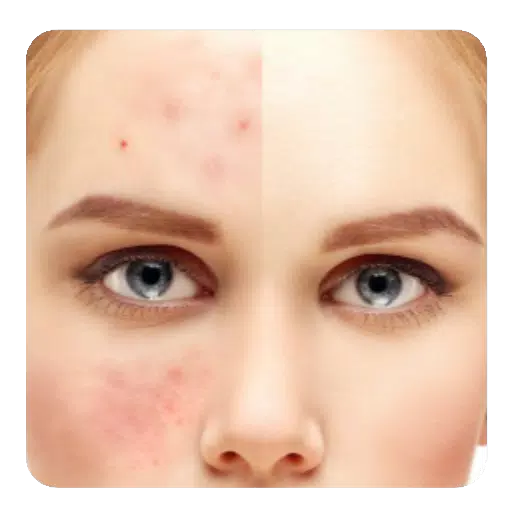
Acne occurs when hair follicles become clogged with oil (sebum), dead skin cells, and bacteria. This blockage leads to inflammation and the formation of various types of blemishes, including:
- Whiteheads – closed clogged pores
- Blackheads – open clogged pores (dark due to oxidized sebum)
- Papules – small, red, tender bumps
- Pustules – pus-filled lesions with a white or yellow center
- Nodules – large, painful, solid lumps beneath the skin
- Cysts – deep, pus-filled, often painful lesions that can scar
🧬 What Causes Acne?
Acne is not caused by dirt or poor hygiene. Instead, it results from a combination of factors:
1. Excess Sebum Production
Hormonal changes (especially increased androgens) stimulate the sebaceous glands to produce more oil. This oily environment is ideal for acne-causing bacteria.
2. Clogged Pores
Dead skin cells can stick together and block pores, trapping oil and leading to breakouts.
3. C. acnes Bacteria
A type of bacteria naturally present on the skin, Cutibacterium acnes, thrives in clogged pores, triggering inflammation and pimples.
4. Inflammation
The immune system responds to trapped bacteria, causing redness, swelling, and pus.
5. Hormonal Fluctuations
- Puberty
- Menstrual cycle (premenstrual breakouts)
- Pregnancy
- Polycystic Ovary Syndrome (PCOS)
- Starting/stopping birth control pills
6. Genetics
If your parents had acne, you’re more likely to as well.
7. Diet & Lifestyle Factors
- High-glycemic foods (sugary, processed items)
- Dairy (some studies suggest a link)
- Stress (can worsen breakouts)
- Lack of sleep
- Certain medications (e.g., corticosteroids, lithium, some antiseizure drugs)
🚫 Common Myths About Acne
-
❌ "Acne is caused by dirty skin."
✅ False. Over-washing can irritate skin and worsen acne. -
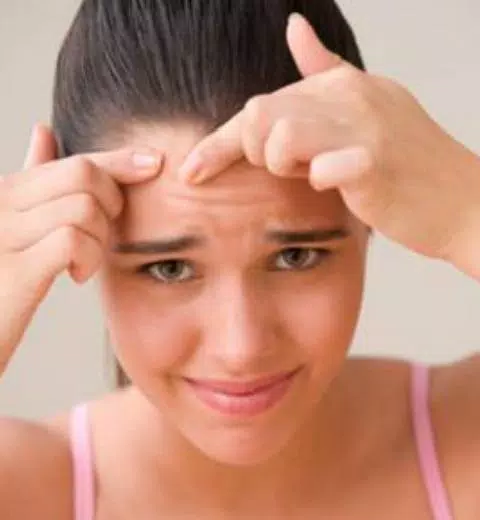
❌ "Squeezing pimples helps them heal faster."
✅ False. Squeezing can push bacteria deeper, cause scarring, and spread infection. -
❌ "Only teens get acne."
✅ False. Up to 50% of adults in their 20s–40s experience acne (adult-onset acne).
✅ How to Prevent and Treat Acne
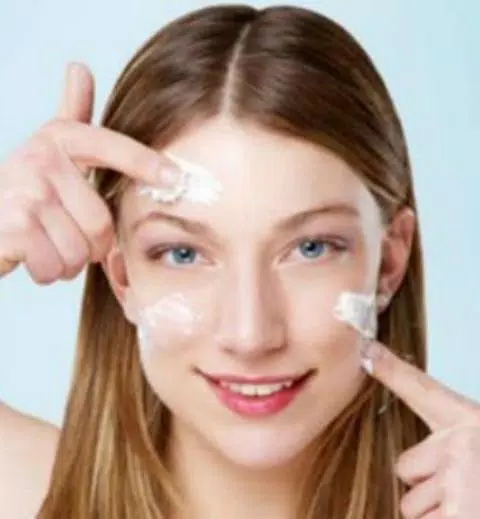
1. Gentle Skincare Routine
- Cleanse twice daily with a mild, non-comedogenic cleanser (avoid harsh scrubs).
- Use non-comedogenic moisturizers and sunscreen.
- Avoid heavy makeup and oil-based products.
2. Topical Treatments (Over-the-Counter & Prescription)
| Ingredient | How It Works | Best For |
|---|---|---|
| Benzoyl Peroxide (2.5–10%) | Kills C. acnes, reduces inflammation | Mild to moderate acne |
| Salicylic Acid (0.5–2%) | Exfoliates, unclogs pores | Blackheads, whiteheads |
| Retinoids (Adapalene, Tretinoin) | Speeds cell turnover, prevents clogging | All acne types, especially comedonal |
| Azelaic Acid | Anti-inflammatory, antibacterial | Sensitive skin, rosacea-prone |
Tip: Start slowly (every other day) to prevent irritation.
3. Oral Treatments (Prescription)
- Oral antibiotics (e.g., doxycycline) – for moderate to severe inflammatory acne
- Hormonal therapy (e.g., birth control pills, spironolactone) – for women with hormonally driven acne
- Isotretinoin (Accutane) – for severe, cystic, or treatment-resistant acne (requires close monitoring)
4. Lifestyle Adjustments
- Eat a balanced diet rich in vegetables, lean protein, and whole grains.
- Manage stress with meditation, exercise, or therapy.
- Avoid touching your face.
- Wash pillowcases and towels regularly.
🌟 When to See a Dermatologist
Consider consulting a dermatologist if:
- Over-the-counter treatments don’t improve acne in 6–8 weeks
- You have frequent cysts or scarring
- Acne is causing emotional distress
- You suspect hormonal causes (e.g., irregular periods, excess facial hair)
A dermatologist can provide personalized treatment, including prescription-strength products, laser therapy, or chemical peels.
📱 Tips for Using This Guide (v1.1)
- ✅ Faster loading times for quicker access to information
- ✅ Improved navigation between sections (e.g., causes → treatments → FAQs)
- ✅ Bug fixes for better mobile and tablet compatibility
- ✅ New interactive checklist to track your acne care routine
💡 Pro Tip: Download this guide and refer to it weekly to monitor your progress and adjust your routine as needed.
📌 Final Thoughts
Acne is treatable—and it doesn’t define your worth. With the right knowledge, patience, and support, you can achieve clearer, healthier skin. Remember: consistency is key. What works for one person might not work for another, so don’t give up. You’ve got this.
📘 Stay Updated: This guide will be refreshed periodically with new research and user feedback.
📲 Don’t miss a beat—update to Version 1.1 today for the best experience!
Disclaimer: This guide is for informational purposes only and does not replace professional medical advice. Always consult a dermatologist for a personalized diagnosis and treatment plan.