Your Complete Guide to Understanding Acne – Updated April 8, 2021 (Version 1.1)
Acne is one of the most common skin conditions affecting people of all ages, but it's especially prevalent during teenage years. Despite its widespread nature, acne remains misunderstood by many—leading to frustration, self-consciousness, and ineffective treatment attempts. This updated guide breaks down everything you need to know about acne: its causes, types, treatment options, and proven prevention strategies.
✅ What’s New in Version 1.1?
We're excited to bring you an even better experience with this update!
Released: April 8, 2021
- 🛠️ Minor bug fixes – Improved app stability and faster loading times.
- ⚙️ Performance enhancements – Smoother navigation and better image rendering.
- 📱 User interface updates – More intuitive layout for easier access to key sections.
- 🔍 Enhanced search function – Quickly find answers on triggers, ingredients, and routines.
👉 Update your app now to enjoy a more reliable and user-friendly guide to managing acne!
🔍 What Is Acne?
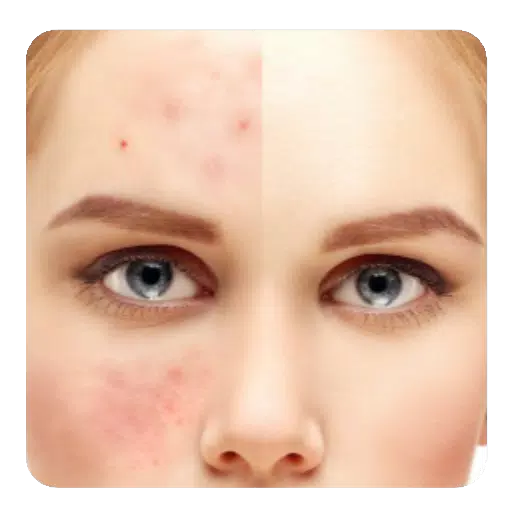
Acne is a chronic skin condition characterized by clogged pores, blackheads, whiteheads, pimples, and sometimes deeper cysts or nodules. It occurs when hair follicles become blocked with oil (sebum), dead skin cells, and bacteria.
While acne is most common in teens and young adults, it can affect people well into their 30s, 40s, and beyond—especially women due to hormonal fluctuations.
🌪️ Causes of Acne: It’s Not Just “Dirty Skin”
Many people wrongly believe acne is caused by poor hygiene. In reality, acne stems from a complex mix of factors:
-
Excess Sebum (Oil) Production
Hormones—especially androgens—stimulate oil glands to overproduce sebum. This excess oil can clog pores. -
Clogged Hair Follicles
Dead skin cells can stick together and block follicles, creating a breeding ground for acne-causing bacteria (Cutibacterium acnes). -
Bacterial Overgrowth
C. acnes thrives in clogged pores, leading to inflammation and pus-filled pimples. -
Inflammation
The immune system responds to bacteria, causing redness, swelling, and pain. -
Hormonal Fluctuations
Periods, pregnancy, menopause, and conditions like PCOS can trigger acne outbreaks. -
Diet & Lifestyle Factors
Emerging research links high-glycemic foods, dairy, stress, and lack of sleep to increased acne severity. -
Medications & Cosmetics
Some drugs (like corticosteroids and lithium) and oil-based skincare products can worsen acne.
🧫 Types of Acne
Understanding your acne type helps you choose the right treatment:
| Type | Description | Common Locations |
|---|---|---|
| Comedonal | Blackheads (open) and whiteheads (closed) | Nose, chin, forehead |
| Inflammatory | Pimples (papules), pustules, nodules, cysts | Face, back, chest |
| Cystic Acne | Deep, painful, pus-filled lumps; prone to scarring | Jawline, neck, back |
| Hormonal Acne | Flare-ups tied to menstrual cycle or hormone shifts | Lower face, jawline, neck |
🧴 How to Treat Acne: Evidence-Based Strategies
1. Gentle Cleansing (Twice Daily)
Use a mild, fragrance-free cleanser. Avoid harsh scrubs—they can irritate and worsen acne.
2. Topical Treatments (OTC & Prescription)
- Benzoyl Peroxide (2.5%–10%) – Kills bacteria, reduces oil. Start low to avoid dryness.
- Salicylic Acid (0.5%–2%) – Exfoliates, unclogs pores. Great for blackheads and whiteheads.
- Retinoids (Adapalene, Tretinoin) – Speeds cell turnover, prevents clogs. Best used at night.
- Azelaic Acid or Metronidazole – Reduces inflammation and redness.
3. Oral Medications (Prescription Required)
- Oral Antibiotics (e.g., doxycycline) – For moderate to severe inflammatory acne.
- Hormonal Therapy (e.g., birth control pills, spironolactone) – Effective for hormonal acne in women.
- Isotretinoin (Accutane) – For severe, cystic acne that hasn’t responded to other treatments.
4. Lifestyle Adjustments
- Eat a balanced diet rich in vegetables, whole grains, and lean protein.
- Limit high-glycemic foods (sugary snacks, processed carbs).
- Manage stress with mindfulness, exercise, or therapy.
- Avoid touching your face; wash pillowcases weekly.
🚫 What Doesn’t Work (And Why)
- Picking or Squeezing Pimples – Can cause scarring, infection, and spread bacteria.
- Overusing Acne Products – Can strip skin, cause irritation, and worsen breakouts.
- Heavy, Oil-Based Skincare or Makeup – Look for “non-comedogenic” labels.
- “Natural” or Unproven Remedies – Tea tree oil can help, but many “natural” treatments lack scientific backing.
🌟 Prevention Tips
- Stick to a consistent routine. Skin needs time to adjust—don’t change products too often.
- Use sunscreen daily. Many acne treatments increase sun sensitivity.
- Track your cycle (for women). Notice if breakouts occur before your period—this can signal hormonal acne.
- Stay hydrated and get enough sleep. Healthy habits support healthy skin.
📞 When to See a Dermatologist
Seek professional help if you:
- Have cystic or nodular acne
- Experience scarring or dark spots
- Breakouts don’t improve after 6–8 weeks of consistent treatment
- Feel emotionally distressed about your skin
A dermatologist can provide personalized care, including prescription-strength treatments and procedures like chemical peels or laser therapy.
✅ Final Thoughts
Acne is not your fault—and it’s not a sign of poor hygiene. With the right knowledge and approach, it can be managed effectively. Remember: consistency is key, and progress takes time.
Whether you’re dealing with occasional breakouts or struggling with stubborn cystic acne, this guide gives you the tools to take control and build confidence in your skin.
📱 Get the Most Updated Experience!
👉 Download or update to Version 1.1 today for a smoother, smarter, and more informative journey to clearer skin.
Stay informed. Stay confident. You’ve got this.
— Your Complete Guide to Understanding Acne