Superman! Superman! Superman! The world roars, echoing the epic guitar riffs of John Williams. A hopeful new DC Cinematic Universe bursts onto the scene in the first trailer for James Gunn's *Superman* film. On July 11, 2025, James Gunn's *Superman*, starring David Corensworth, will soar into theaters. Gunn serves as both screenwriter and director, a role he initially didn't anticipate taking on, initially focusing solely on the script.
Gunn drew inspiration from the acclaimed *All-Star Superman* comic book, a 12-issue miniseries penned by the legendary Grant Morrison. This story sees Superman revealing his secrets to Lois Lane while confronting his own mortality. Gunn's long-standing love for comic books is evident in this adaptation.
Based on arguably the greatest Superman comic book ever, what can we expect from this faithful adaptation? Let's explore.
Table of Contents
- One of the greatest…
- Grant Morrison is a skilled and frugal storyteller
- The door to the Silver Age of superheroes
- This comic is an inventively told good story
- It's a comic book about people
- A story about our relationship with the past and the future
- This comic breaks down the boundaries between the narrative and the reader
- It's a story about boundless optimism
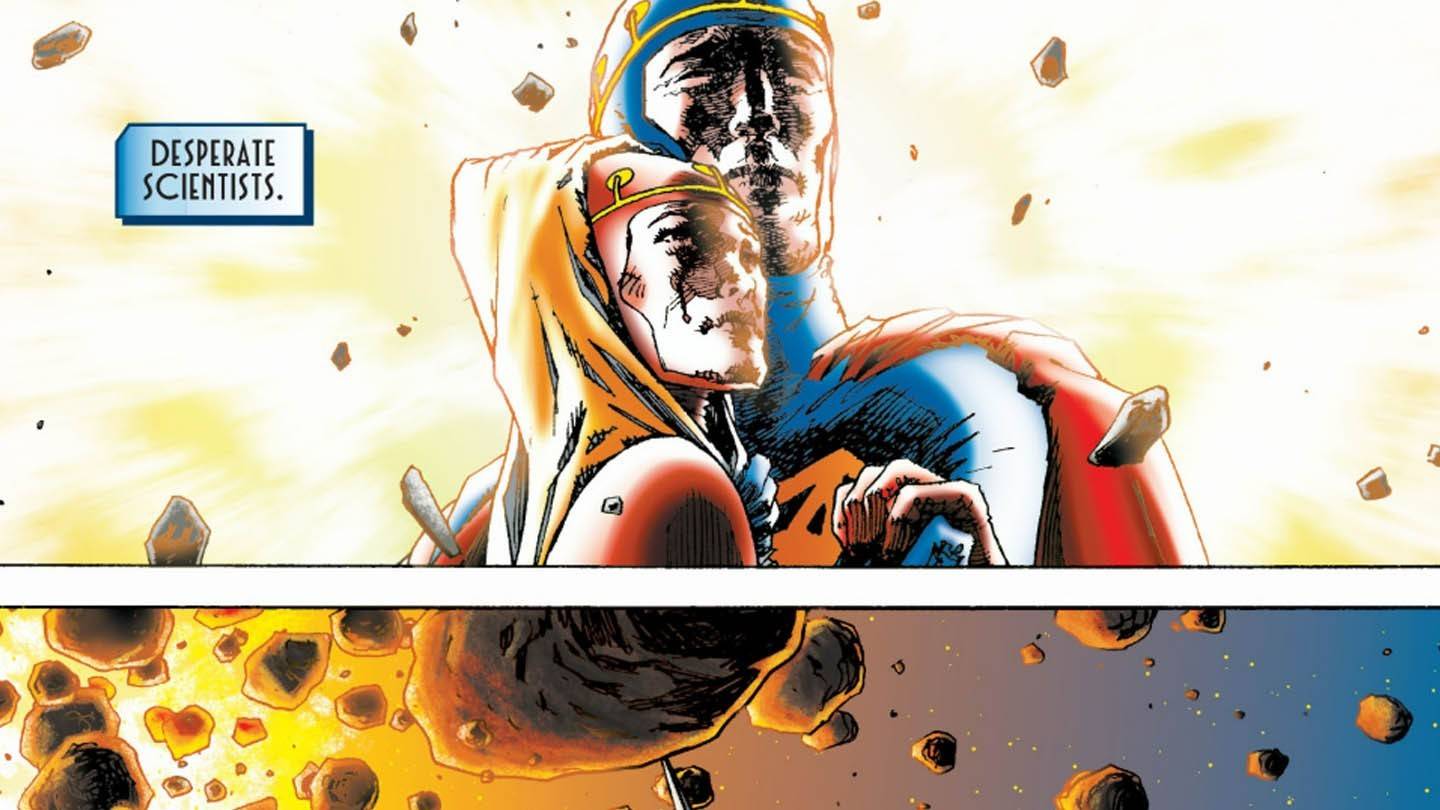 Image: ensigame.com… One of the greatest, if not *the* greatest, Superman comics of the 21st century is Morrison and Quitely's *All-Star Superman*. For the uninitiated, let me pique your interest, especially in this dawn of the new DCU. And for those who read it years ago and shelved it, let's reignite that enthusiasm.
Warning: I won't shy away from discussing *All-Star Superman*. The excitement lies not in the mystery, but in the experience itself. While I'll avoid unnecessary retelling, accompanying images and excerpts span all issues and might spoil some of the story's surprises.
Here's why I love *All-Star Superman*:
Grant Morrison is a skilled and frugal storyteller
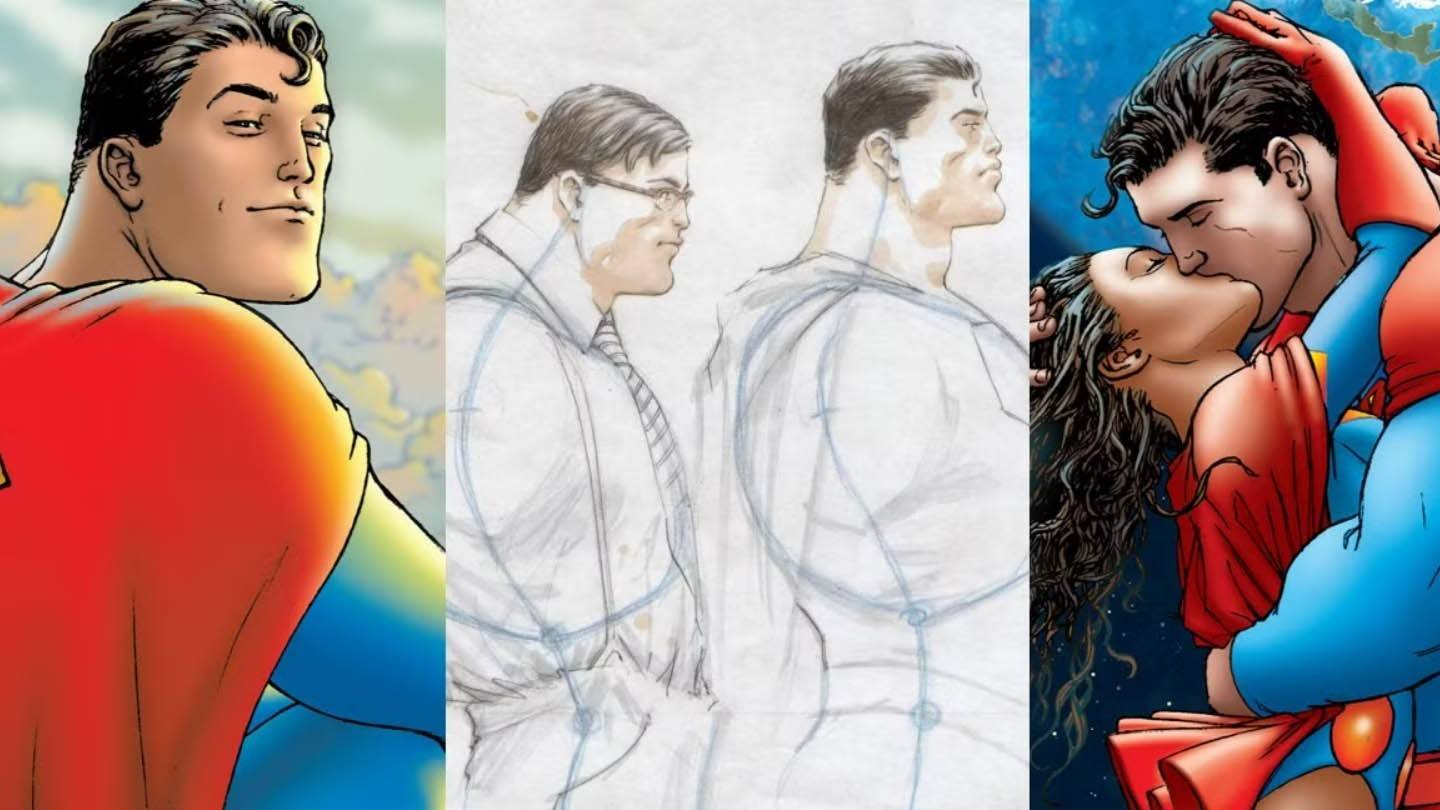 Image: ensigame.com
Morrison masterfully reveals the plot, humanizes the characters, and even shows Superman flying towards the sun—all within the first issue, while simultaneously reminding us of the core Superman mythos. That alone warrants discussion.
The first page, with just eight words and four illustrations, encapsulates Superman's origin. It's one of the most concise and impactful origin stories in modern comics; love, a new home, hope, and faith in progress—all conveyed perfectly. The writers expand upon this foundation, adding depth and building upon those core concepts. The stark contrast between this minimalist approach and the potential of a film adaptation is striking, highlighting Morrison's skill.
 Image: ensigame.com
Morrison's minimalism continues throughout. In issue #10, Superman's brief, impactful exchange with Lex Luthor in prison— "Lex, I know there's good in you"—perfectly captures their decades-long conflict in just a few panels. Similarly, the difference between Jor-El and Superman is brilliantly conveyed in two panels, showcasing their contrasting actions.
While not always the most concise dialogue writer, Morrison's skill shines in *All-Star Superman*. He expertly crafts dialogue, as evidenced by the "haiku about unified field theory" in issue one and Lex Luthor's poignant words at the end of issue twelve.
The door to the Silver Age of superheroes
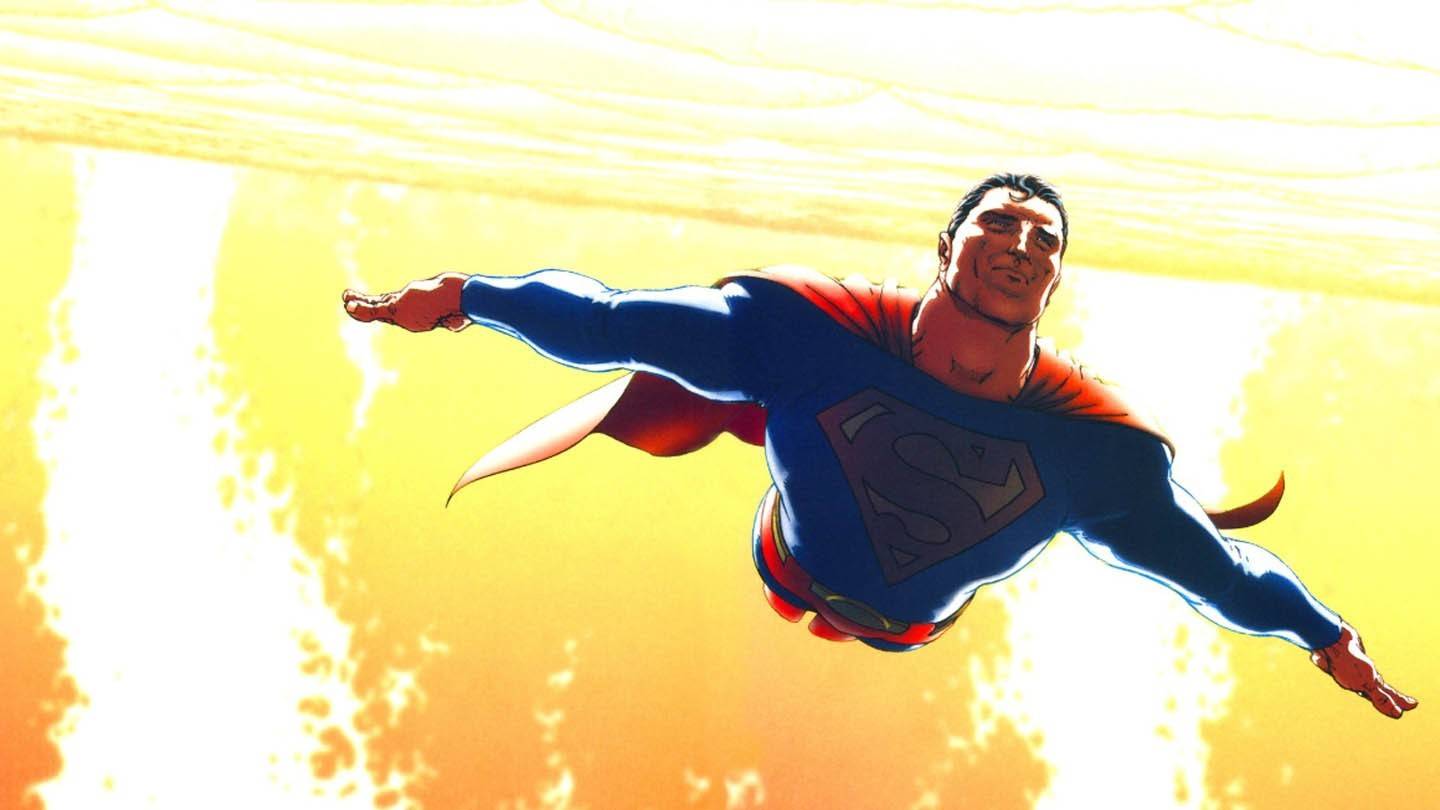 Image: ensigame.com
Decades of superhero comics have attempted to escape the shadow of the Silver Age. Navigating that era's complexities is a challenge. Mort Weisinger's Superman, from the late 1950s, faced absurd foes, acquired bizarre alien pets, and escaped ludicrous situations. How do we reconcile this?
Morrison shows us that we stand on the shoulders of giants, regardless of how we perceive those giants. Understanding the past, even the seemingly silly aspects, provides valuable context. Just as we don't need to love Dostoevsky to appreciate his influence, understanding the Silver Age informs our understanding of the evolution of comics. Morrison and Quitely translate the Silver Age into a language we understand today, drawing inspiration from its techniques and style.
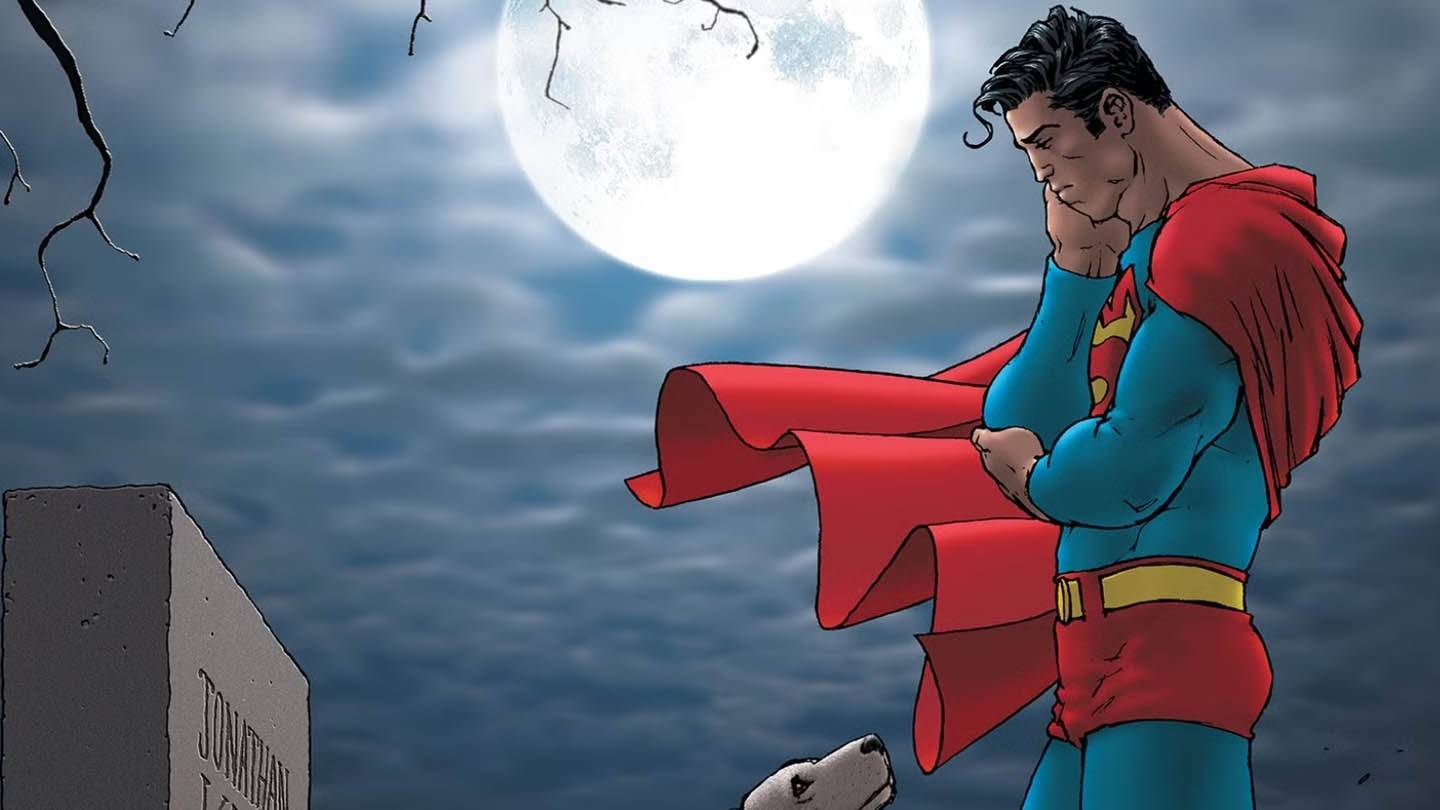 Image: ensigame.com
We can't revisit the Silver Age with the same eyes as past readers. However, rather than dismissing it, we should learn from it. Morrison captures the essence of that era, translating its spirit for a modern audience. *All-Star Superman* acts as a bridge, connecting the past to the present.
This comic is an inventively told good story
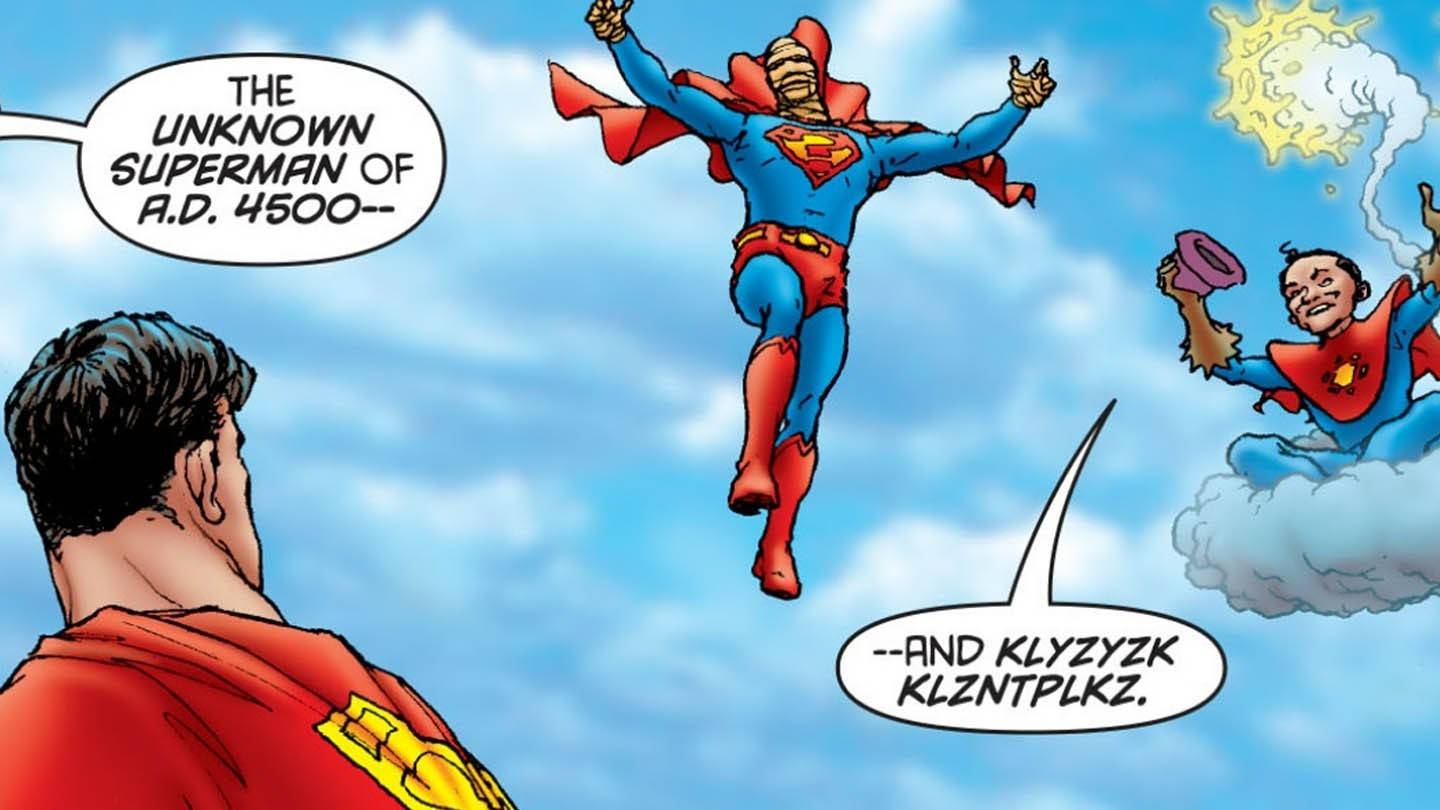 Image: ensigame.com
Superman comics face a unique challenge: Superman rarely *needs* to fight. Most superhero stories use physical conflict to express various themes, but Superman's overwhelming power renders such conflicts anticlimactic. Morrison cleverly circumvents this by focusing on other forms of conflict, such as solving mysteries and saving people.
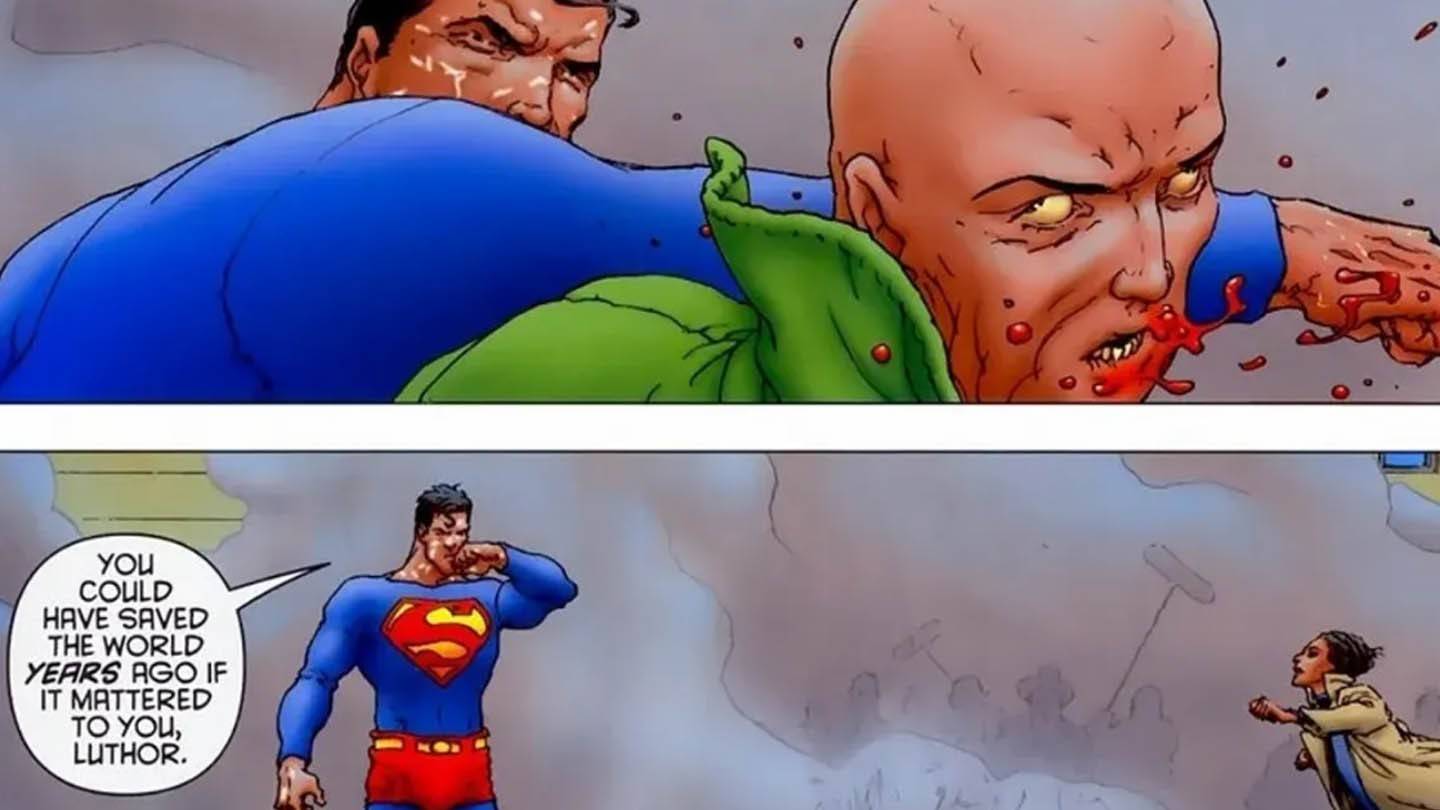 Image: ensigame.com
The confrontations in *All-Star Superman* are often resolved quickly, emphasizing the emotional and intellectual aspects. Superman's goal isn't always to defeat his opponents but to save them or to help them find a better path. This showcases Morrison's mastery of storytelling, crafting a compelling narrative even without relying on extended physical battles.
It's a comic book about people
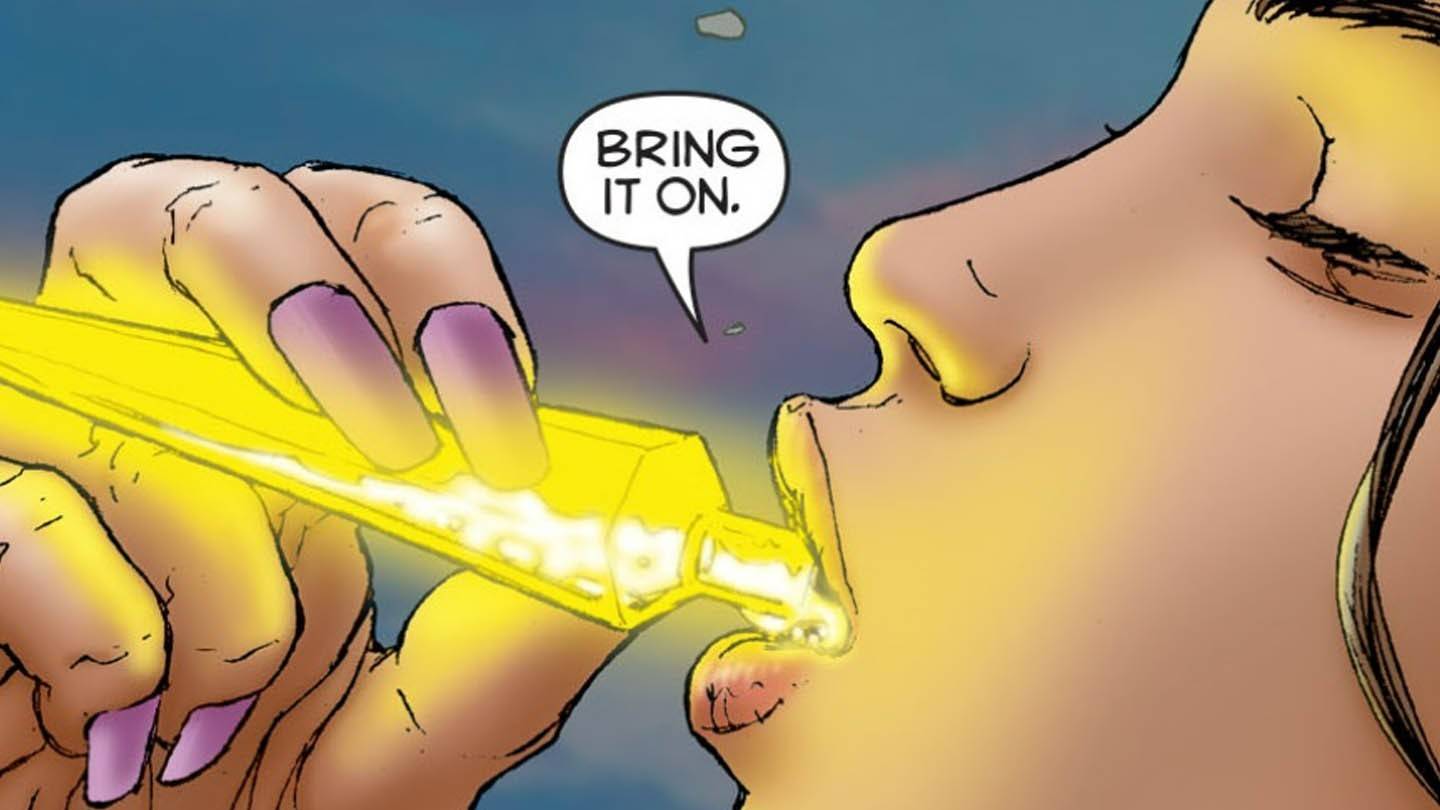 Image: ensigame.com
When facing his mortality, Superman reflects not on his accomplishments, but on his relationships. The story prioritizes the emotional connections between Superman and those around him, highlighting the human element. We see Superman's impact on Lois, Jimmy, Lex Luthor, and others. The story is about the people Superman touches, not just his feats.
The focus on supporting characters reflects our own relationship with Superman. We care less about his battles and more about his impact on the world and the lives he touches. The story explores hypothetical scenarios, such as what would have happened if Superman hadn't met Lois, or had a different upbringing, showing different facets of his character and his world.
A story about our relationship with the past and the future
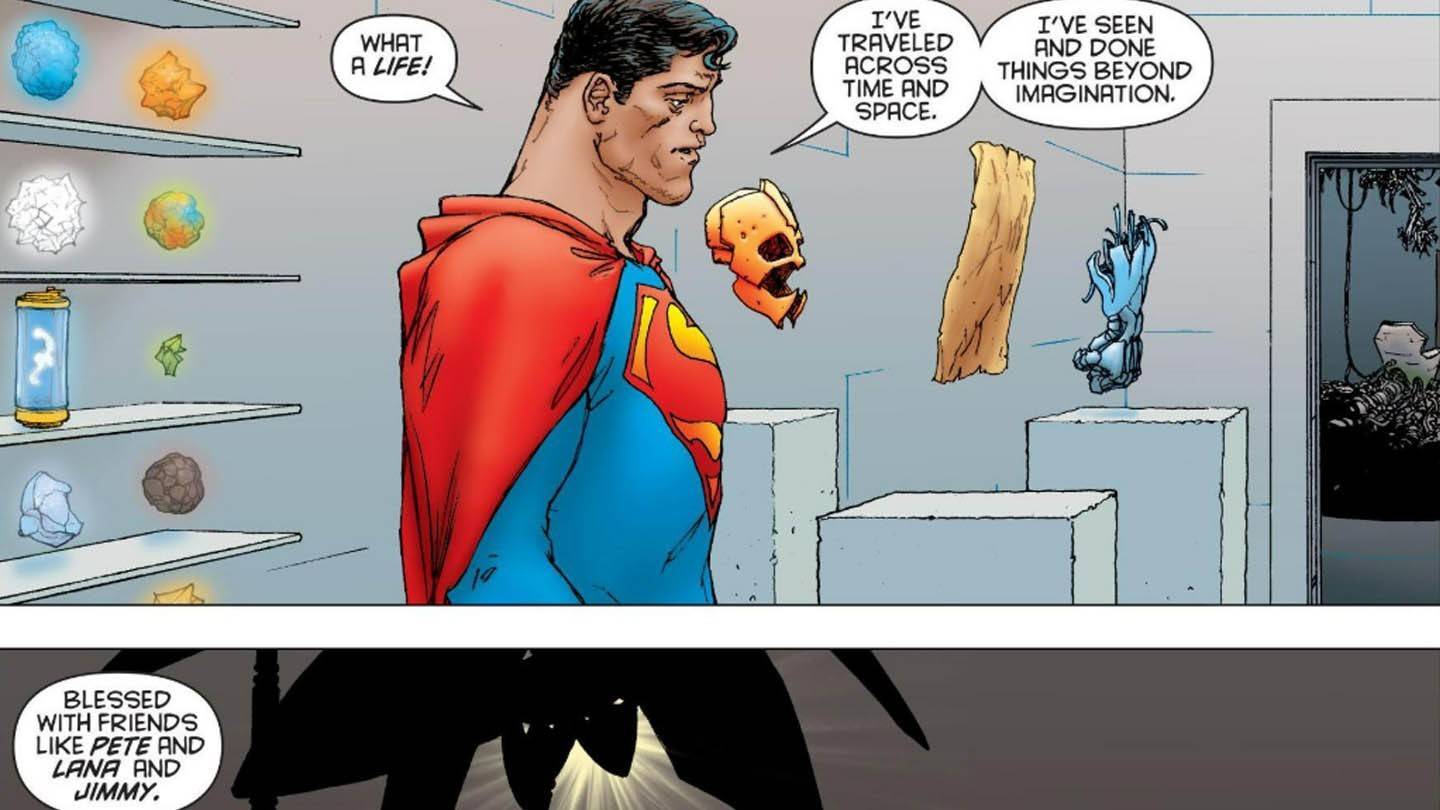 Image: ensigame.com
*All-Star Superman* explores the interplay between past and future. The comic uses chronology to its advantage, building upon existing narratives and exploring the consequences of past events. Morrison demonstrates that neither escaping nor clinging to the past is the solution; learning from it and building upon it is key.
This comic breaks down the boundaries between the narrative and the reader
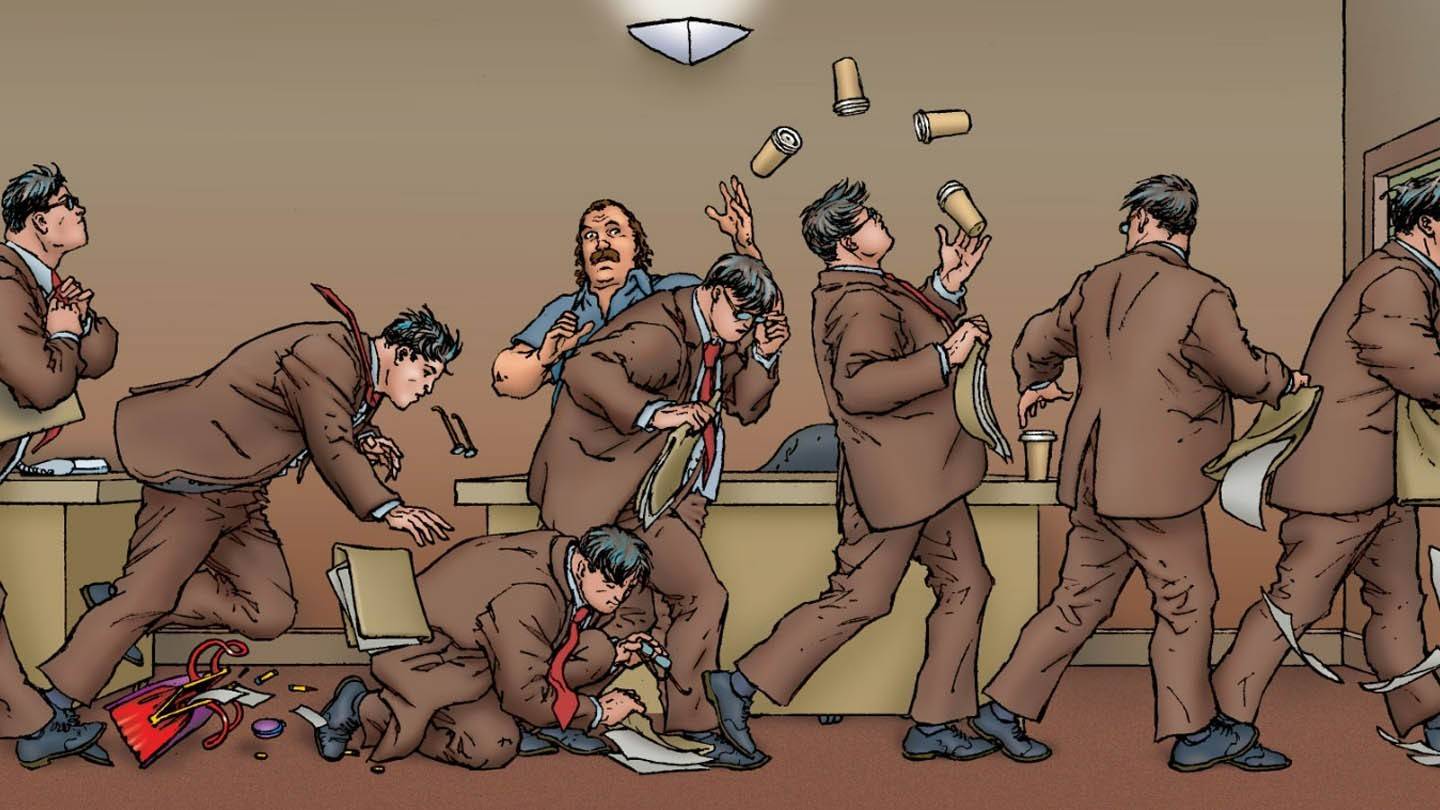 Image: ensigame.com
Morrison's work often blurs the lines between the narrative and the reader. *All-Star Superman* directly engages the reader, creating a sense of intimacy and immediacy. The comic uses techniques that directly involve the reader in the story, making them feel like active participants.
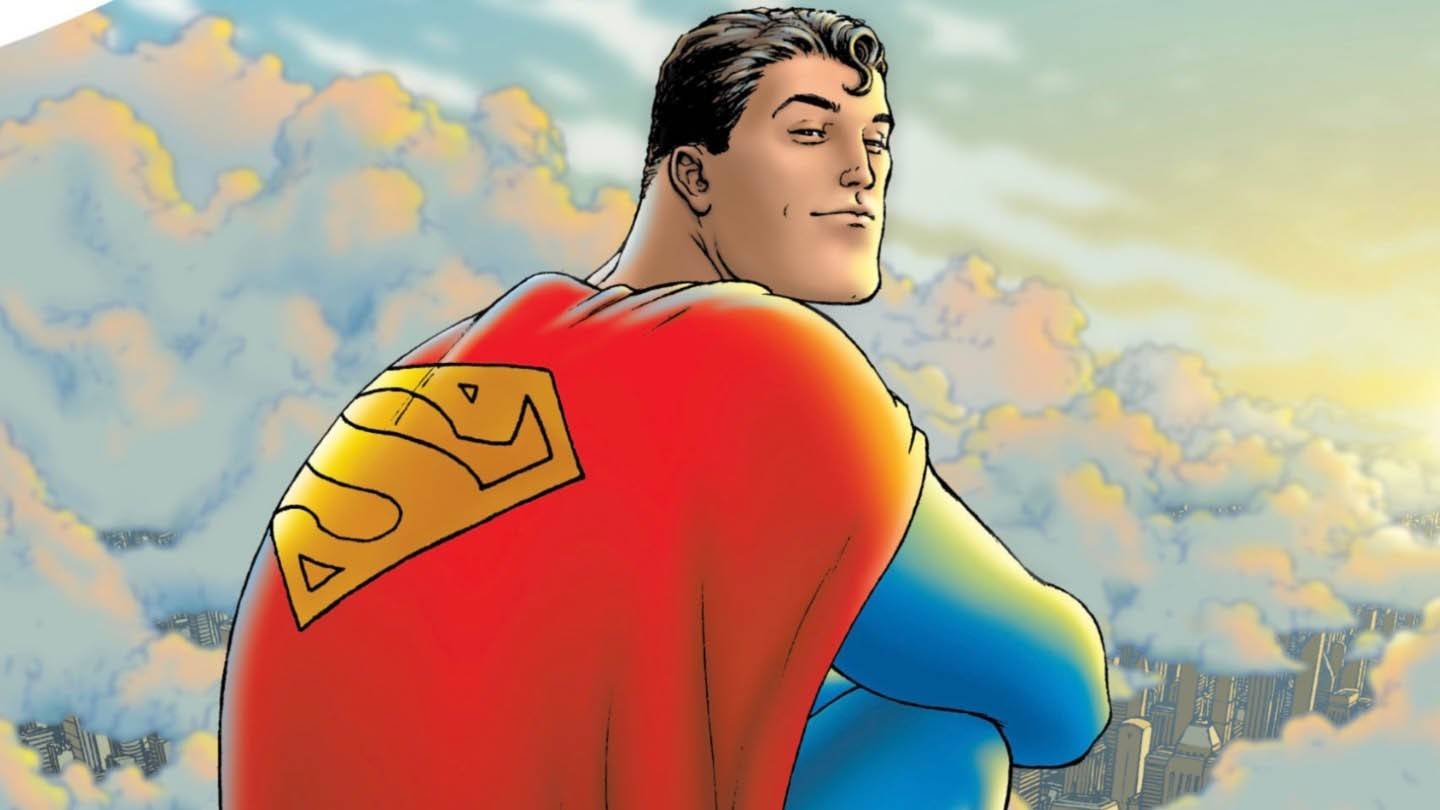 Image: ensigame.com
The final issue culminates in a powerful moment where Lex Luthor looks directly at the reader, prompting reflection on the nature of the universe and our connection to the story. The reader experiences the world from Superman's perspective throughout the series, culminating in this final, impactful moment.
It's a story about boundless optimism
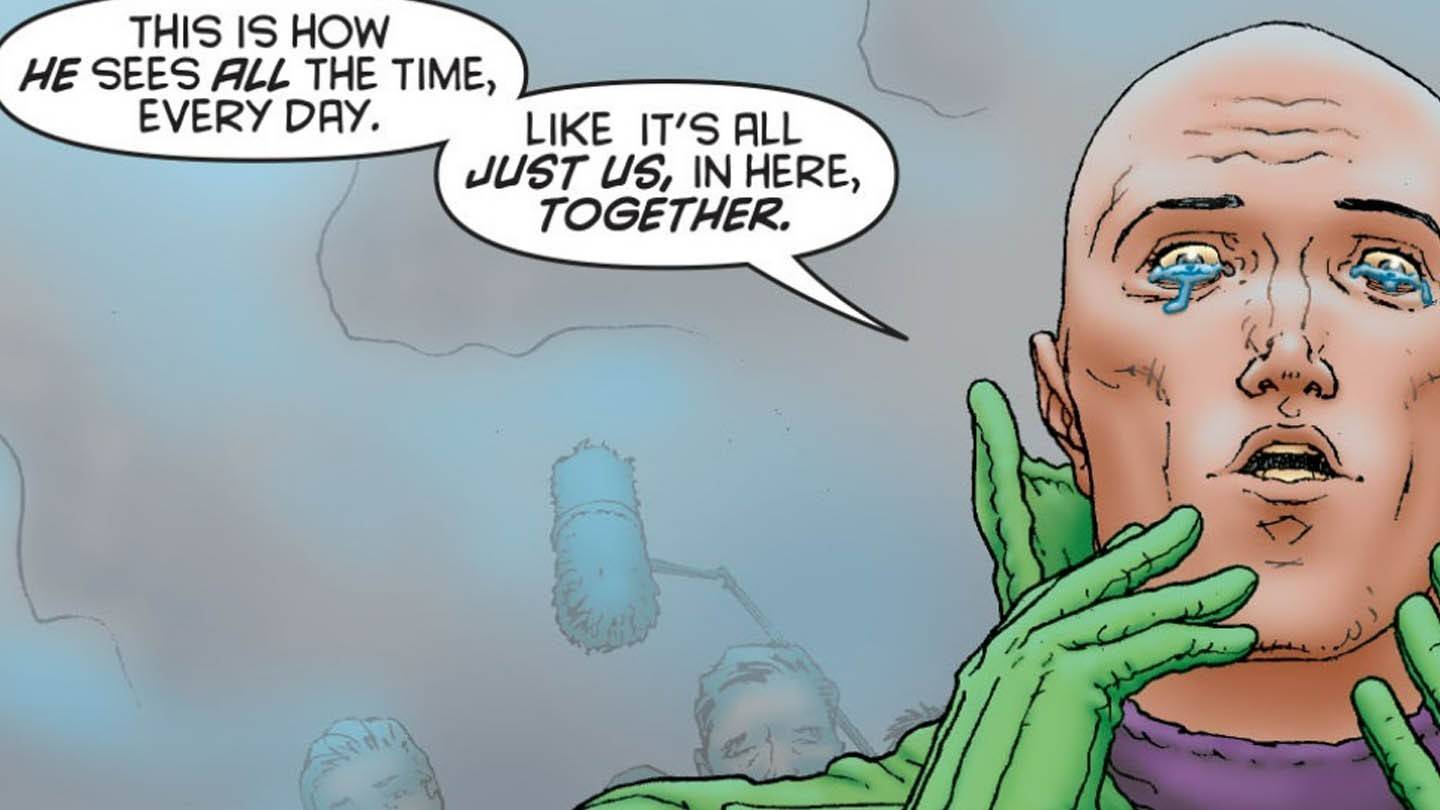 Image: ensigame.com
The comic explores the process of canon formation in superhero narratives, reflecting on how individual stories contribute to a larger, collective understanding of a character. Superman's twelve feats, scattered throughout the story, become a canon that the reader constructs themselves, highlighting the active role of the reader in shaping the narrative.
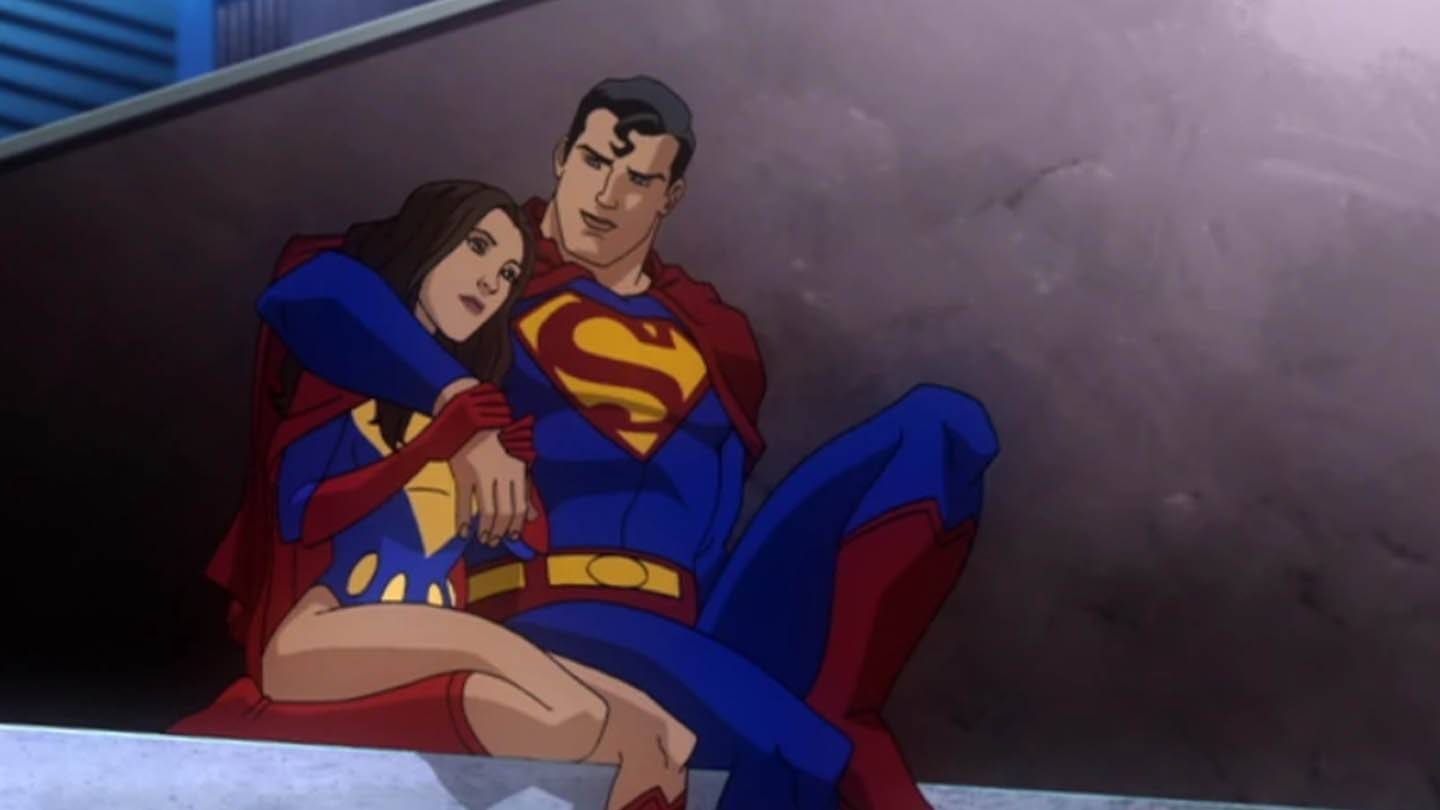 Image: ensigame.com
These twelve feats, from defeating time to curing cancer, ultimately reveal the epic scope of Morrison's work. It's a story of hope, resilience, and the enduring power of optimism, a testament to the enduring legacy of Superman.