Sony is reportedly negotiating the acquisition of Japanese conglomerate Kadokawa Corporation, aiming to bolster its entertainment portfolio. This article explores the potential implications of this deal.
Sony's Push into Broader Media
Tech giant Sony, already holding a 2% stake in Kadokawa and a 14.09% stake in FromSoftware (a Kadokawa subsidiary), is reportedly in early talks to acquire the entire Kadokawa Corporation. This move reflects Sony's strategy to diversify its entertainment holdings.
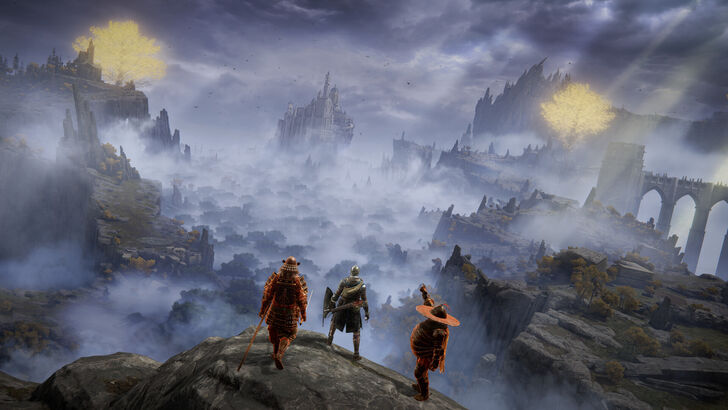
Kadokawa's portfolio includes prominent game developers like FromSoftware (creators of Elden Ring and Armored Core), Spike Chunsoft (Dragon Quest, Pokémon Mystery Dungeon), and Acquire (Octopath Traveler, Mario & Luigi: Brothership). Beyond gaming, Kadokawa's extensive media production companies contribute significantly to anime production, book publishing, and manga. This acquisition would significantly expand Sony's reach into these sectors. Reuters notes that Sony aims to reduce its reliance on individual hit titles by securing rights to a wider range of content. A potential deal could be finalized by the end of 2024, although both Sony and Kadokawa have declined to comment.
Market Reaction and Fan Concerns
News of the potential acquisition has driven Kadokawa's share price to an all-time high, closing up 23% at its daily limit (4,439 JPY from 3,032 JPY). Sony's shares also saw a 2.86% increase.
However, online reaction has been mixed. Concerns stem from Sony's recent acquisitions, such as the closure of Firewalk Studios in 2024 following the less-than-successful launch of Concord. This raises anxieties about the future of FromSoftware and its creative output under Sony's ownership, despite the success of Elden Ring.
Further concerns exist regarding potential impacts on the anime and media landscape. With Sony already owning Crunchyroll, the acquisition of Kadokawa's extensive anime IP (including Oshi no Ko, Re:Zero, and Delicious in Dungeon) could strengthen Sony's dominance in anime distribution, potentially leading to concerns about market monopolization.