
 Monster Hunter's narrative, often overlooked due to its straightforward nature, deserves a closer examination. This deep dive explores the underlying themes and stories woven into the gameplay.
← Return to Monster Hunter Wilds' main article
Monster Hunter's Evolving Narrative
 While not primarily a narrative-driven series, Monster Hunter's story is far from nonexistent. The mission-based structure, where quests dictate the player's actions, often overshadows the deeper narrative. But is it truly just about hunting monsters for profit, fashion, or sport? Let's delve into the mainline games to uncover a richer tapestry.
The Hunter's Journey
 Most Monster Hunter games follow a familiar pattern: a novice Hunter accepts quests, gradually progressing to hunt increasingly formidable beasts, ultimately becoming the village's top-ranked Hunter. This progression, culminating in a final showdown with the game's ultimate boss (e.g., Fatalis in Monster Hunter 1), forms the core gameplay loop. Even recent games, with their enhanced storytelling, retain this fundamental structure. However, titles like World, Rise, and their expansions offer more cohesive narratives.
Maintaining Ecological Balance
 The series frequently portrays the Hunter as a force maintaining ecological equilibrium. Monster Hunter 4 (MH4), for instance, highlights the Gore Magala's threat due to the Frenzy Virus, a contagion spreading aggression and ferocity. The game positions Gore Magala as an antagonist whose defeat is crucial for restoring balance.
However, Monster Hunter: World and Iceborne present a more nuanced perspective. The endings suggest that while humans have a responsibility to restore balance, they have much to learn about the natural world's intricate workings.
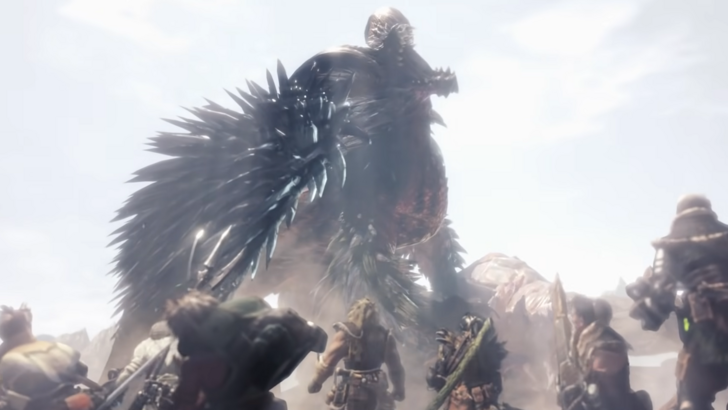 Iceborne's conclusion reveals Nergigante as a natural force of balance, challenging the simplistic view of human intervention. The base game's ending labels the Hunter a "Sapphire Star," a guiding light echoing the in-game "Tale of the Five," suggesting human acceptance of their role as guardians. Iceborne, conversely, underscores the limitations of human understanding and the resilience of nature.
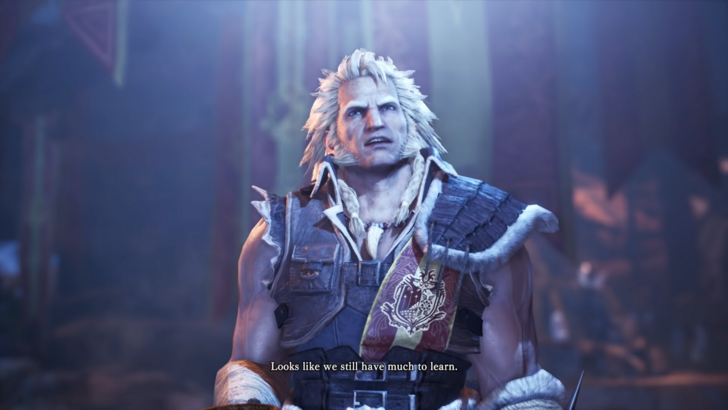 This juxtaposition reflects the complexities of real-world ecology, where organisms adapt to survive, and nature persists even without human interference. While interpretive, this thematic depth transcends simple monster-hunting. But how do the monsters perceive the Hunter?
The Hunter's Reflection in the Monster
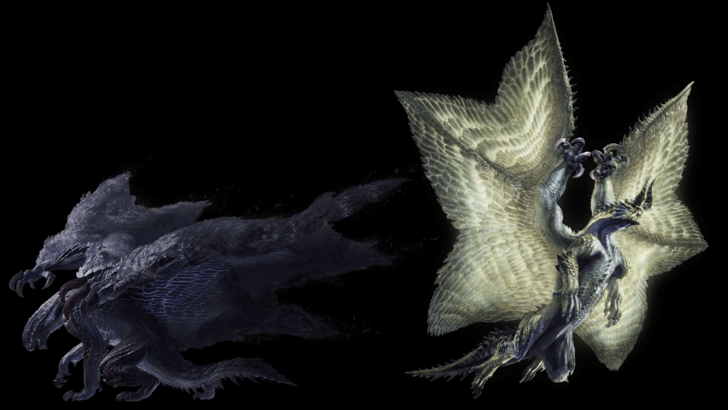 In MH4, defeating Gore Magala only reveals its evolved form, Shagaru Magala, mirroring the Hunter's own equipment upgrades and cyclical battles. This suggests a reciprocal learning process between Hunter and monster.
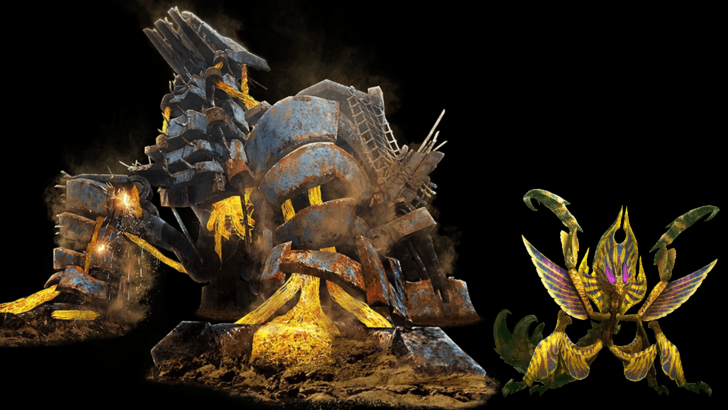 Ahtal-Ka, Monster Hunter Generations Ultimate's final boss, exemplifies this theme. Its unique mechanical creation, Ahtal-Neset, and subsequent weaponized wheel mimic Hunter ingenuity, demonstrating adaptation and mirroring the Hunter's strategies. This highlights nature's capacity to adapt to even those who believe they are shaping it.
Man vs. Wild: A Personal Narrative
 Ultimately, Monster Hunter is about the player's journey of growth and overcoming challenges. The series crafts a personal narrative through gameplay, echoing the satisfaction found in overcoming difficult obstacles, similar to the Souls series.
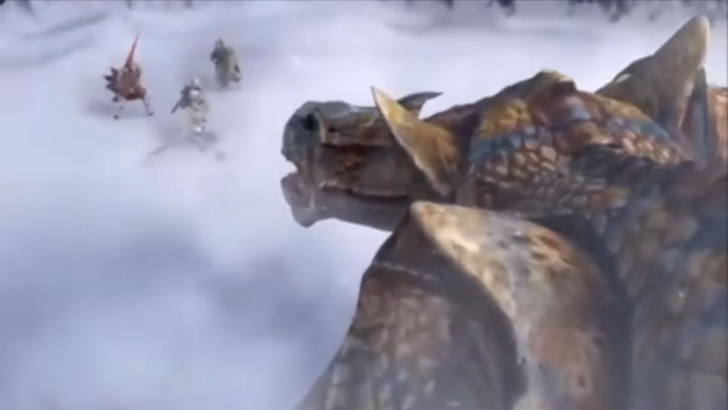 The initial encounter with the Tigrex in Monster Hunter Freedom 2, where the Hunter is thrown from a cliff, establishes a clear objective: revenge and mastery. Later encounters with the same monster highlight the player's progress. While not explicitly stated, these moments create a powerful personal narrative.
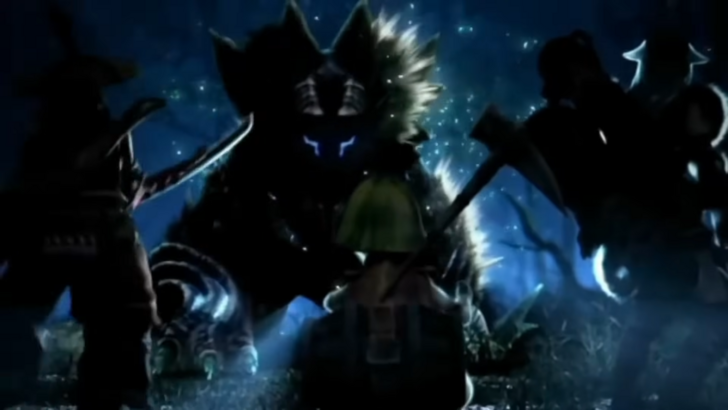 This cyclical pattern of challenge and triumph defines the player's journey. While newer games incorporate more overt narratives, the core experience remains deeply personal and memorable. Monster Hunter's narrative may not be overtly compelling, but it effectively integrates the player's experience into a lasting story.