

Although the Yakuza/Like a Dragon franchise has expanded its appeal to younger players and women, the development team remains committed to preserving its core theme of middle-aged men navigating distinctly middle-aged experiences.
Like a Dragon Devs Stay True to Their Roots: Stories About Middle-Aged Men
Embracing 'Middle-Aged Guy Problems'
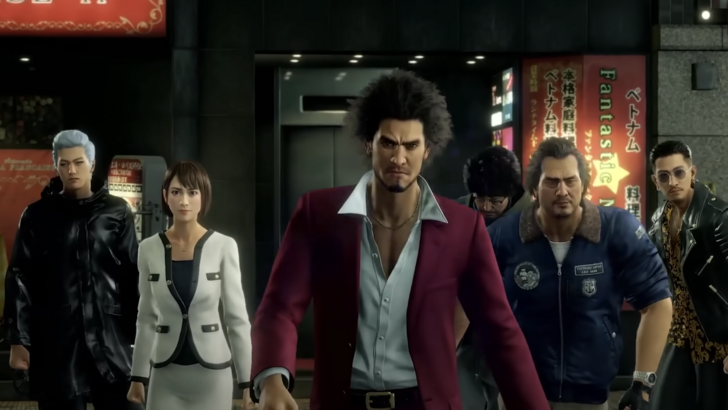
The Yakuza series (now rebranded as Like a Dragon) maintains its global popularity. With protagonist Ichiban Kasuga – a delightfully eccentric former yakuza turned hero – the franchise has successfully attracted a broader demographic, including younger and female players. Still, developers recently reaffirmed their dedication to preserving the series' original essence.
"We're thrilled to see our fanbase grow more diverse," series director Ryosuke Horii told AUTOMATON. "But we won't artificially adjust our storytelling just to appeal to new audiences. That would mean compromising authentic elements like discussions about health issues middle-aged men genuinely face."
Horii and lead planner Hirotaka Chiba stressed that the series' authenticity comes from portraying genuine middle-aged experiences. From Ichiban's nostalgic Dragon Quest references to characters complaining about aging, they believe "this raw humanity rooted in their life stage gives the games their unique charm."
"Our characters feel like real people dealing with relatable problems," Horii explained. "That authenticity helps players immerse themselves in these conversations between ordinary individuals."

Series creator Toshihiro Nagoshi expressed surprise in a 2016 Famitsu interview about the increasing female player base: "We didn't anticipate women constituting about 20% of our audience." While welcoming this development, he maintained the series' core focus: "Yakuza was created with male players in mind. We'll stay true to that vision without overcompensating for female players."
Debates About Female Representation Persist
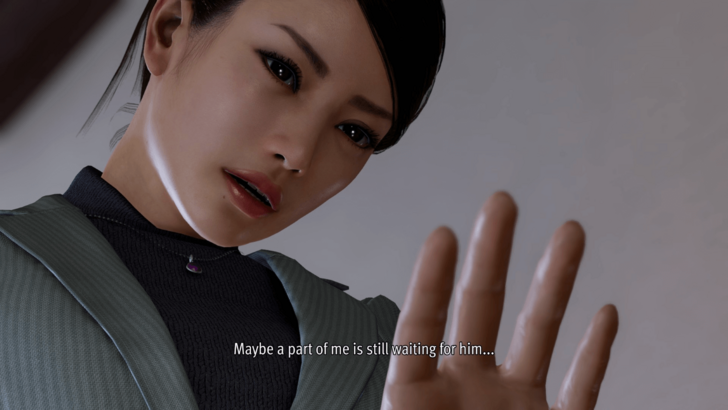
Despite its male-targeted approach, critics highlight ongoing concerns about how the series portrays women. Some argue female characters often get sidelined or reduced to stereotypes.
A ResetEra user noted improvement but criticized persistent issues: "While progressing, the games still rely on sexist tropes." Another pointed out: "Even in Yakuza 7, Saeko remains the sole permanent female party member. Male characters frequently make unnecessary suggestive comments whenever women appear."
The series frequently employs damsel-in-distress narratives, seen with characters like Makoto, Yuri, and Lilly. Chiba's joking comment about female conversations getting interrupted by male characters in Infinite Wealth suggests this pattern may continue.

While making notable strides toward inclusivity, the series sometimes reverts to outdated portrayals. Nevertheless, recent entries show promising evolution – Game8 awarded Infinite Wealth a 92, praising it as both "a love letter to longtime fans" and "a strong foundation for the franchise's future."